
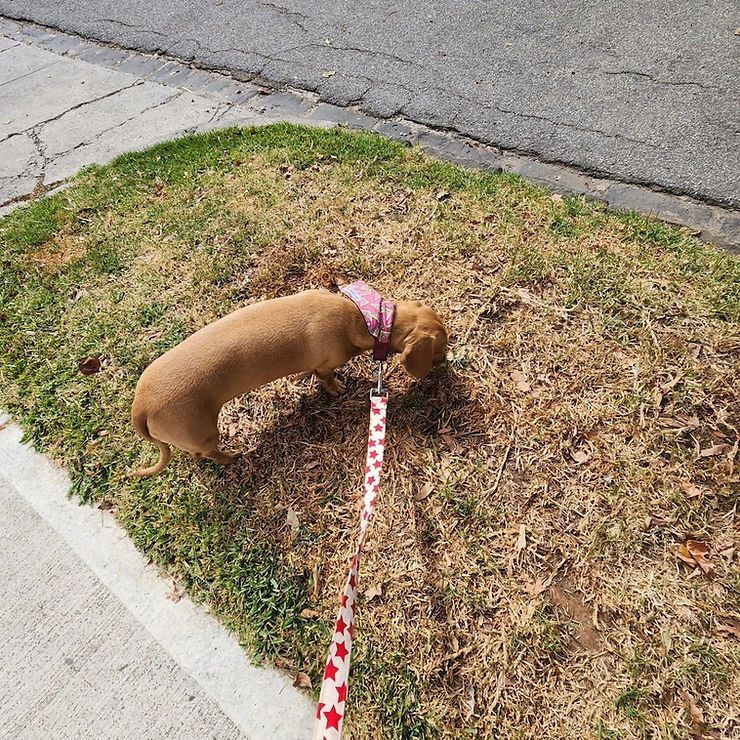
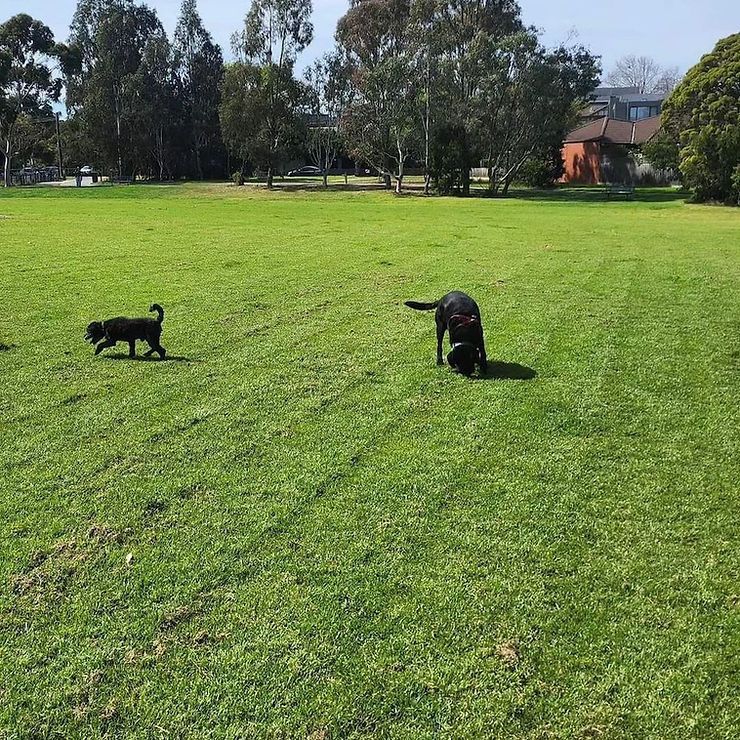
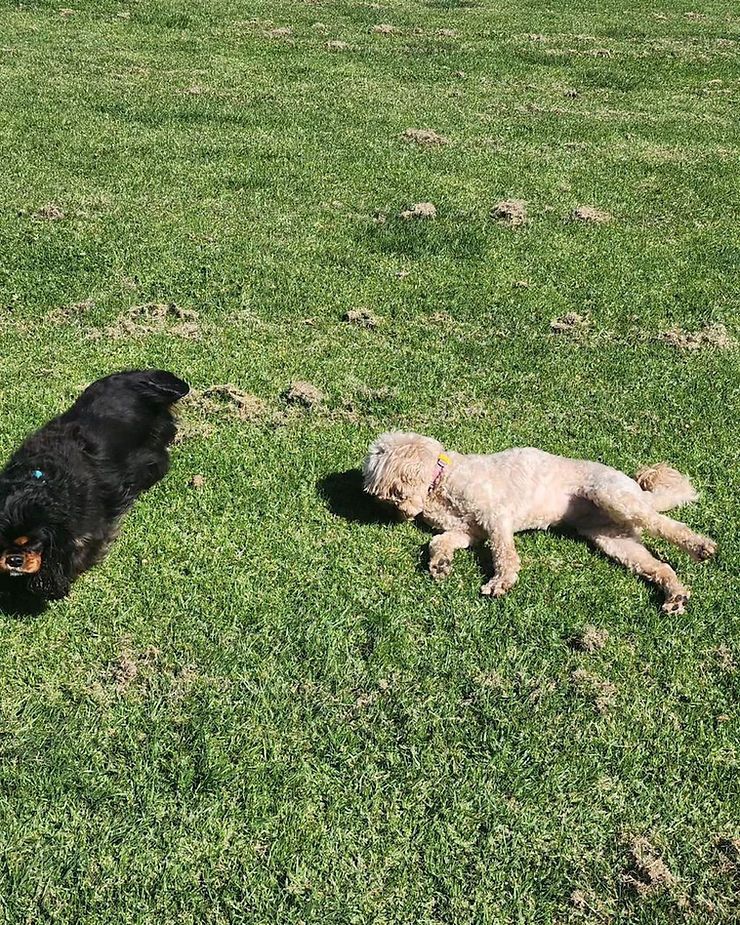
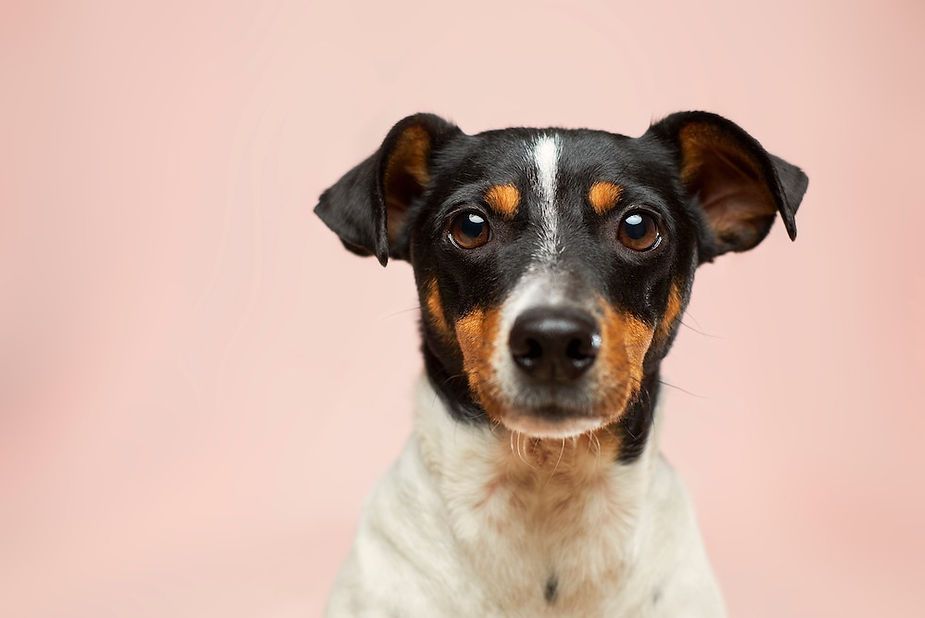
As a dog walker, owners often ask me if their dog needs a coat during the cooler winter months. It's a great question but one that I can't give a definite answer to! Even though we're feeling the colder air and rug up when we head outside for a walk, your dog may or may not feel the same. To help you decide if your dog needs a winter coat, let's explore why some dogs love a coat and others don't. Is a winter coat for a dog purely a fashion statement? You may have seen some dogs in your local park looking like their owners have 'styled' their pooch! The dog is flaunting a beautiful winter coat as it trots along. Pet fashion has boomed over the past few years, with many new pet parents treating their dogs as children and spending money on doggie fashion. And this may leave you thinking, should my dog wear a winter coat? Even if it's just a plain one! The answer depends on your dog's breed, size, age and coat.
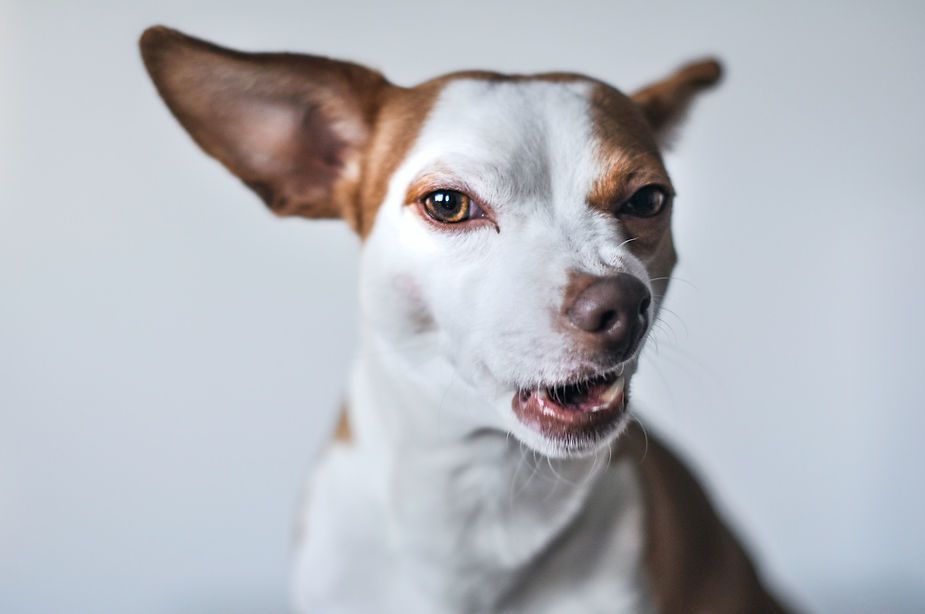
In the animal world, August is celebrated as 'Pet Dental Awareness Month'. It's a great reminder that we need to give some attention to what's happening inside the mouths of our fur babies. Dental disease is a common issue diagnosed by vets and can start as young as two years of age. The good news is that you can do things at home to help prevent dental disease in your pet. Having 6-monthly check-ups with your vet is also recommended. They're experts at spotting the early signs of dental disease, and as a dentist does for us, your vet can perform a scale and clean on your pet if needed. Let's look deeper into dental disease and how you can help your pet.
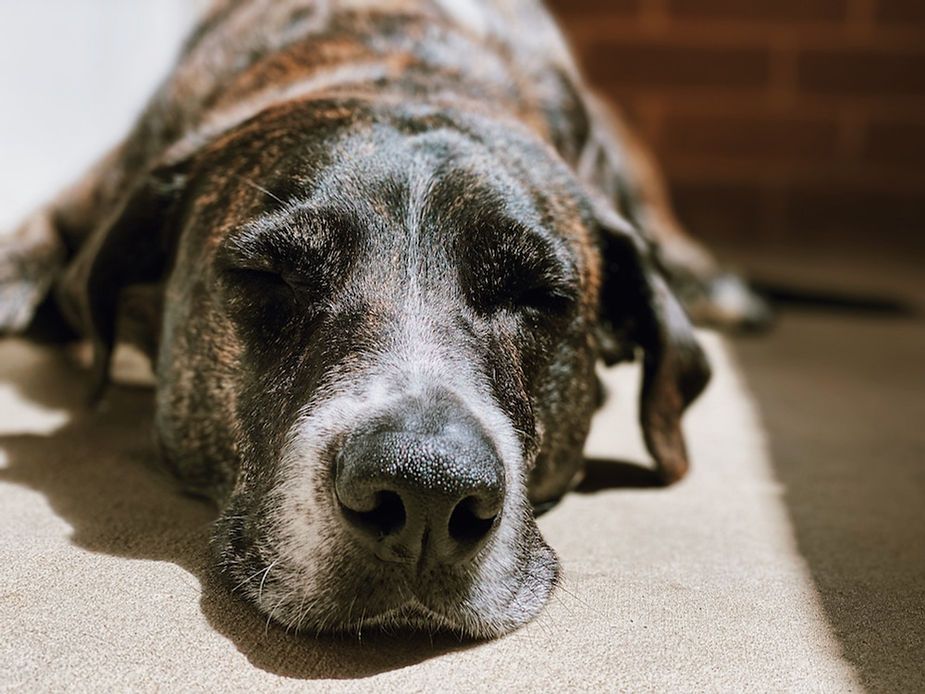
This isn't a topic that's easy to discuss, as it's something that none of us really want to consider. Our pets are a massive part of our lives and become family members (often the ones who show you the most love!). So, deciding to euthanise your dog or cat may be one of the hardest things you'll ever have to do. Whether it's from an illness, cancer, old age or an emergency, there may come a time when it's left up to you to make the call. In an ideal world, our fur babies would live forever! Or maybe they'd magically go to sleep one night and decide to slip away on their own terms. But most pets seem to be so stubborn and resilient. And that's where you'll find that the decision to euthanise your pet will come down to you as their owner.
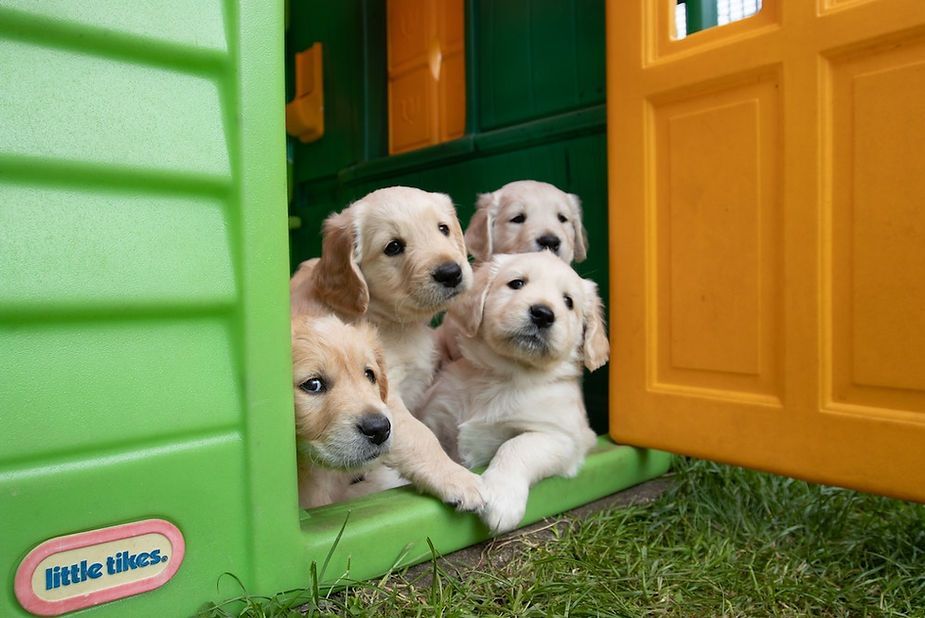
Deciding to bring a new dog into your life is super exciting. You've probably already spent hours scrolling through online posts, Instagram, or YouTube and getting all goo-goo over the cuteness of little puppies. But this is one of the biggest mistakes new dog owners make. They get so carried away in the excitement that they don't make a fully informed decision. When looking to find a new puppy, you need to think with your head and heart combined! Getting swept up in their cuteness is fine, but are they the right dog for you? Here's a guide to choosing a new puppy that's right for you.
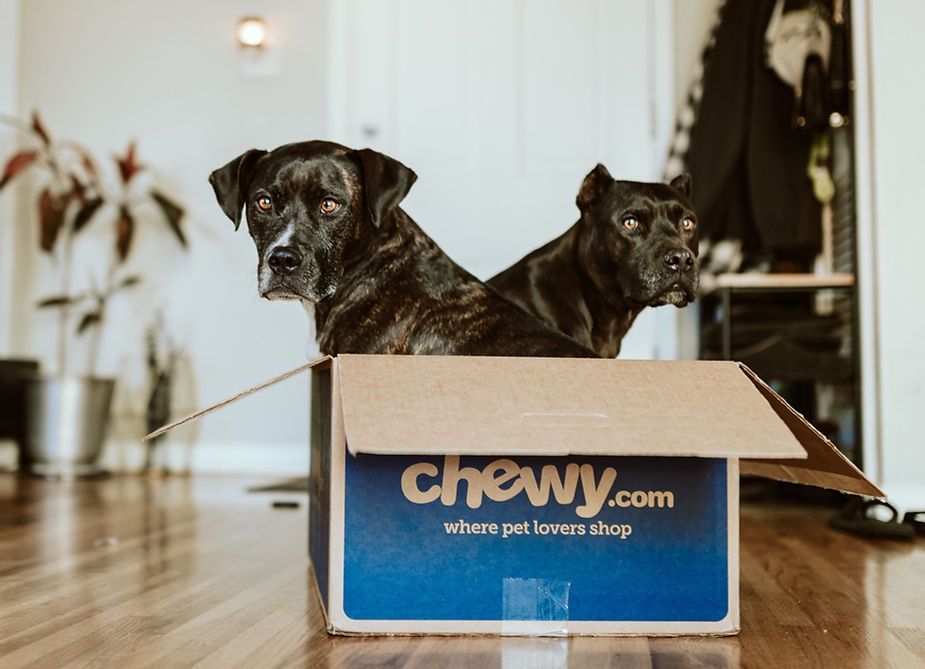
If you're a dog owner, there's no doubt you've seen the amount of rawhide dog treats available to buy. They're featured in every pet shop, and you'll often find them as treats in Christmas dog stockings. Rawhide treats have long been promoted as a great way to entertain your dog as they chew happily for hours. And while there are some benefits of rawhide dog treats, many pet owners don't know they aren't everything they're made out to be. In this guide, you'll discover the benefits of rawhide treats, along with the hidden dangers, so you can make an informed decision on whether a rawhide chew toy is suitable for your dog. How is a dog rawhide treat made? Rawhide is made from leftovers from the leather industry (from cow hides or other animals that have been used). Here's what happens: The hide is placed in brine to help slow its decay (it still rots, but this process makes it slower). The brined hide is shipped to tanneries to strip off the fat and hair using highly toxic chemicals. More chemicals are used to puff up the hide to split the layers (the outer layer being used to make leather goods like shoes & the inner layer being used for rawhide treats, gelatin and glue). A solution of hydrogen and peroxide (and other chemicals) is used to remove the smell from the hide (as it's rotting leather). The rawhide is coloured and basted with flavours to make them look attractive. When completed, the rawhide chew is preserved with chemicals and made into shapes like rolls and bones (often using glue to hold this shape).
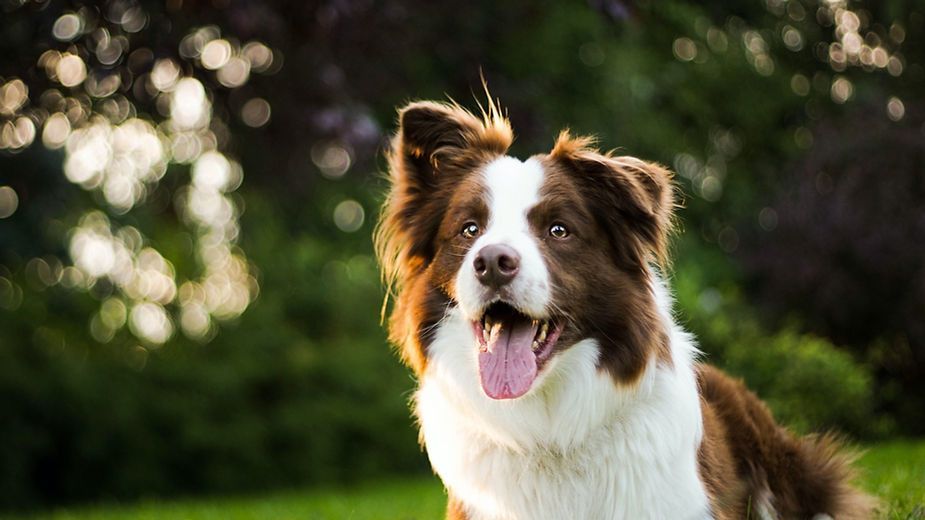
Some days, it's hard to believe that summer has arrived again (typical Melbourne!), but the weather experts are predicting that we're in for a hot one this year. As a dog owner, walker and sitter, I'm always very conscious of the effect of heat and sun on my pets and those I care for. And in my experience, dogs can overheat very quickly, leading to dehydration. So, as the weather is starting to warm up, I felt it was a great time to share information about dehydration in dogs – what it is, the causes, the symptoms and what to do if you spot the signs of dehydration in your dog.
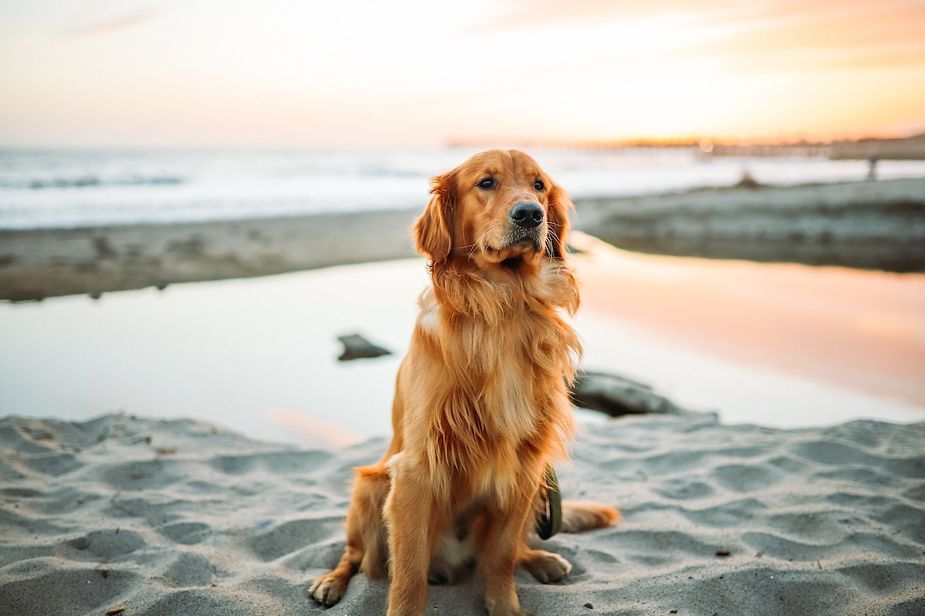
There's nothing better than a summer's day when you bundle into the car and head to the beach. Whether you're going for a walk, for fun, or just to chill out, there's something magical about the sound of the waves lapping upon the sand. And when you're heading to the beach this summer, don't forget to take your dog! Most dogs love a day trip to the beach. It's a place they can run and play, cool off and spend time with you. But, if you've never taken your dog to the beach before, there are a few things you need to know to make it an enjoyable day (for you and your dog). This handy guide will cover my top tips for keeping your dog safe on their first (or second or third) trip to the beach.
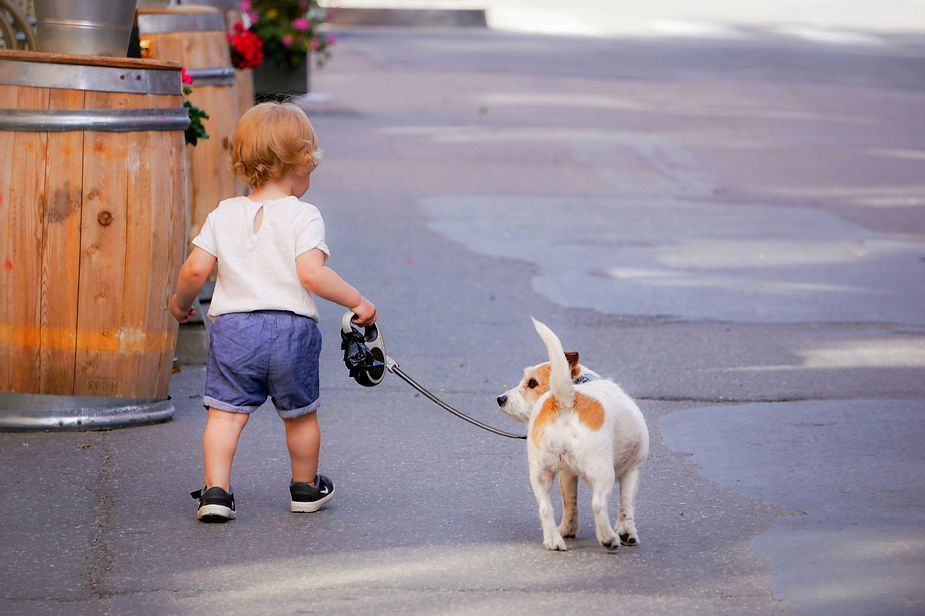
As a professional dog walker, my clients often ask me, 'Should I use a collar, harness or slip lead to walk my dog?'. But as with all things dog-related, my answer is never cut and dry as it will always depend on the dog itself. It all comes down to your dog’s breed, activity and training levels. Plus, it needs to feel comfortable for your dog and you as their handler. For example, if you've got an overly active dog who continually pulls on their lead when walking, you may wish to consider a harness to prevent choking, or a slip lead for training. However, if your dog is calm and trots happily beside you, a regular collar and lead would work well. To help you decide, this handy guide will reveal the top pros and cons of each form of dog walking device.
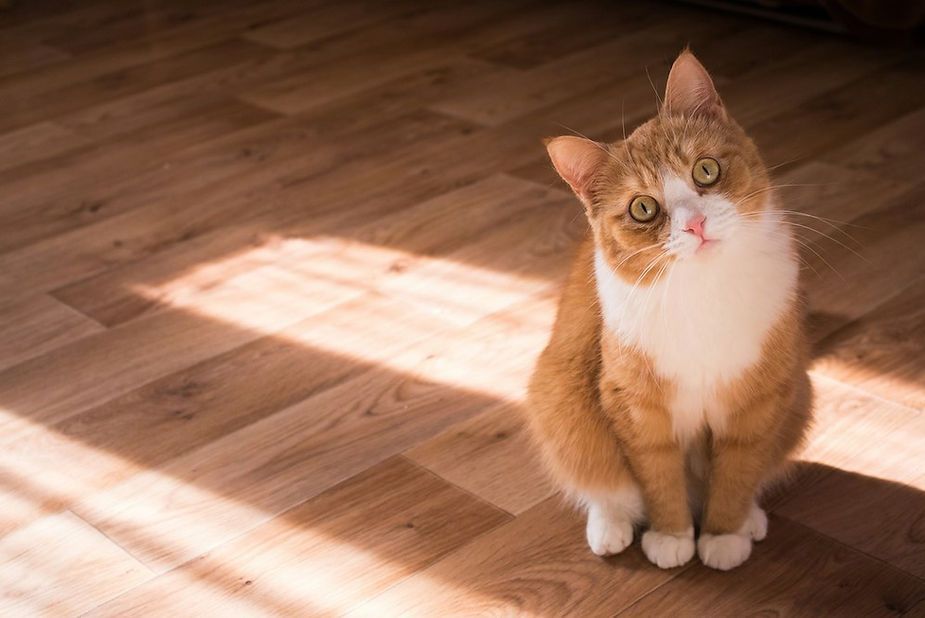
On a recent house-sitting job, I noticed that their gorgeous cat had decided to use their bathtub as a litter tray. And although your first reaction may be, 'Gross, why's my cat suddenly pooping in the bathtub?', it's important to note that this behaviour isn't overly unusual. Yes, it's frustrating, smelly, and not ideal if you're the one cleaning it up, but if your cat is pooping in the bathtub, know you're not alone! Cats are known for being meticulously tidy creatures, regularly grooming themselves to stay clean. So, if your cat has started leaving you 'gifts' in your bathtub, it's their way of telling you something's wrong in their world. Let's explore the reasons behind cats using a bathtub as a litter tray.
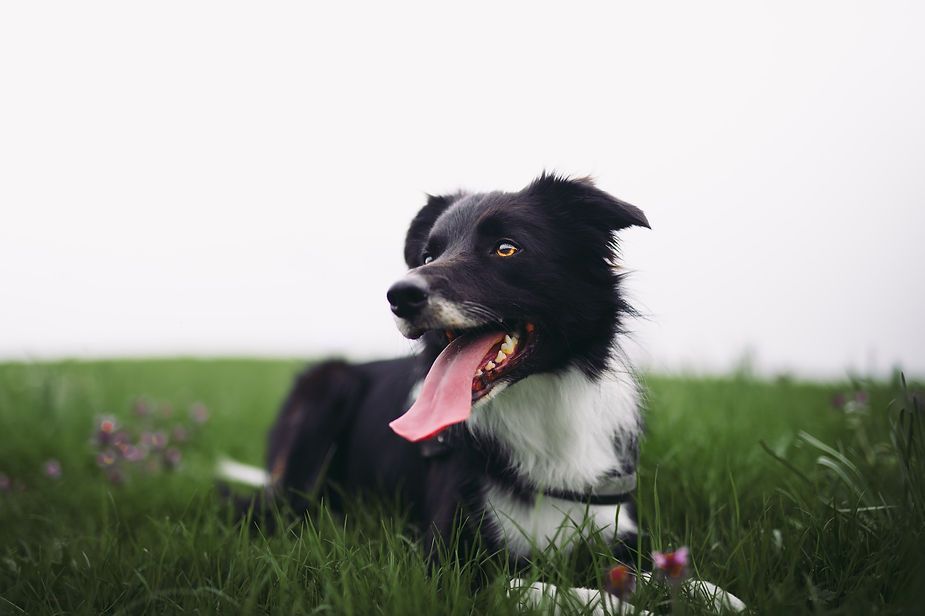
With April being pet registration month (your annual registration fees are due on the 10th of April), I thought it was a good time to chat about all things pet registration. Did you know that every dog or cat over 3 months of age must be registered with your local council in Victoria? It's a legal requirement under the Domestic Animals Act 1994 . As a pet owner, it's your responsibility to ensure you register your dog or cat with your local council. And despite being fined if you don't, there are many benefits to registering your pet in Victoria, which we'll cover in this guide. Read on to discover why pet registration is essential, what to do if you've moved house, pet registration fees and how to register multiple pets in Victoria.

